Clearing the Medicine Cabinet: The Hidden Financial and Health Toll of Medications You No Longer Need
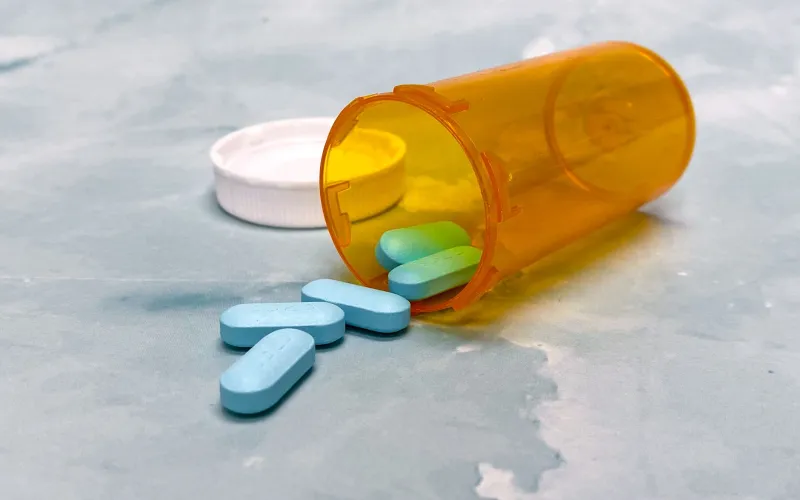
Open the medicine cabinet in the average American home, and you are likely to find a small pharmacy of your own making. Bottles from a surgery two years ago. A discontinued blood pressure medication your doctor replaced with something newer. An antibiotic prescribed for an infection that cleared up before you finished the course. A sleep aid you tried once and abandoned.
None of these medications feel like a problem. They sit quietly on the shelf, and their presence feels responsible—a kind of preparedness. But what those bottles actually represent is a compounding financial loss, a potential safety hazard, and a disposal challenge that most patients have never been asked to think about.
At LTE Pharmacy, we see the downstream effects of this pattern regularly. Understanding why it happens—and what it costs—is the first step toward changing it.
The Psychology Behind Keeping Medications You No Longer Use
Holding onto unused medications is not irrational. It is, in many ways, a reasonable response to the cost and inconvenience of obtaining prescriptions in the first place. When a medication costs a significant co-pay or requires a doctor's visit to obtain, discarding it can feel wasteful. The logic goes: I paid for it, I might need it again, I'll keep it.
This impulse is reinforced by uncertainty. Chronic conditions fluctuate. Symptoms return. The medication that was switched out last spring might theoretically be needed again. Patients living with anxiety, in particular, tend to find comfort in having supplies on hand—a buffer against the fear of running out.
But this psychology operates without accounting for expiration dates, changing prescriptions, or the real financial cost of the accumulation over time.
What Those Forgotten Prescriptions Actually Cost You
Consider a straightforward scenario. A patient with Type 2 diabetes has their insulin dosage adjusted twice over three years. Each time, a partially used supply of the previous formulation remains. Add in a discontinued cholesterol medication, a short course of steroids never fully completed, and a blood pressure drug that caused side effects after two weeks. Across those three years, the patient may have left hundreds of dollars in unused medication sitting in a drawer.
A 2020 study published in JAMA Internal Medicine estimated that unused prescription medications in the United States represent billions of dollars in wasted spending annually. That waste falls on patients, insurers, and the healthcare system collectively—but the individual patient bears a meaningful share.
Beyond the direct cost of the medications themselves, there is the indirect cost of mismanagement. Patients who believe they have a working supply of a medication may delay refilling a current prescription, only to discover the stockpile has expired. Others take outdated medications under the assumption they are still effective, potentially compromising their treatment.
The Safety Dimension: When Old Medications Become a Hazard
Expiration dates on prescription medications are not arbitrary. They reflect the manufacturer's verified guarantee of potency and stability up to a specific date. After that point, a medication may degrade chemically, losing effectiveness—or, in some cases, developing compounds that could cause harm.
Beyond the chemical dimension, a home containing multiple medications from different prescribers, across different time periods, creates a genuine risk of confusion. Patients managing several conditions may accidentally take an outdated version of a drug they are still actively prescribed. Elderly patients, in particular, face elevated risk from this kind of cabinet clutter.
There is also the household safety question. Medications stored at home represent an accidental ingestion risk for children and a potential misuse risk in households where substance use disorder is a concern.
Disposing of Medications Safely: What You Need to Know
The most important thing to understand about medication disposal is that flushing pills down the drain or placing them in household trash is not the recommended approach for most drugs. Both methods carry environmental consequences—pharmaceuticals in waterways represent a documented ecological concern—and neither is considered best practice by federal health agencies.
The preferred method is a DEA-authorized drug take-back program. The Drug Enforcement Administration (DEA) coordinates National Prescription Drug Take-Back Day events twice annually, and many retail pharmacies and law enforcement agencies maintain permanent drop-box locations year-round. The DEA's website offers a locator tool to find the nearest site.
For medications that cannot be taken to a drop-back location, the FDA provides a flush list of specific drugs—primarily controlled substances—for which flushing is acceptable given the risk of diversion or accidental exposure. For all others, the recommended at-home method involves mixing the medication with an undesirable substance such as coffee grounds or dirt, sealing it in a container, and placing it in household trash.
Turning Cabinet Chaos Into a Streamlined Prescription Strategy
Once a patient has audited and properly disposed of outdated or unnecessary medications, the opportunity exists to establish a cleaner, more deliberate approach to prescription management going forward.
Consolidating your prescriptions with a single online pharmacy is one of the most effective ways to maintain that clarity. When all of your active medications are managed through one source—with a unified refill schedule and a complete medication history on file—the accumulation problem becomes far easier to prevent. Your pharmacist has visibility into your full regimen, which also enables meaningful safety checks for interactions or duplications.
At LTE Pharmacy, patients can work with our pharmacy team to align refill timing with their actual usage, reducing the likelihood of partial supplies piling up. Rather than refilling on an arbitrary schedule, our team can help you calibrate quantities to your true consumption patterns.
A Practical Action Plan
If you are ready to address the accumulation in your medicine cabinet, the following steps provide a structured starting point:
Step one: Remove everything from your medicine storage areas and lay it out in a single space. This full inventory is often the first time patients realize the true scope of what they have accumulated.
Step two: Sort medications into three categories—currently prescribed and in use, no longer prescribed or completed, and unknown or unidentifiable.
Step three: Check expiration dates on all current medications. Any that have expired should be moved to the disposal pile.
Step four: Contact your prescriber or pharmacist with questions about any medications you are uncertain about. Do not assume a medication is safe to take without verification.
Step five: Bring your disposal pile to a DEA-authorized take-back location. If that is not accessible, follow the FDA's at-home disposal guidance.
Step six: Consolidate your active prescriptions with a single pharmacy and establish a refill schedule that matches your actual usage.
The medicine cabinet is not supposed to be a museum of past treatments. Keeping it current, accurate, and safe is a meaningful component of managing your health—and it is one that carries real financial and safety consequences when neglected. A thoughtful cleanup, combined with a more deliberate approach to prescription management going forward, is an investment in both your wellbeing and your wallet.