The Delivery Revolution Has a Blind Spot: Controlled Substances Still Can't Always Reach Your Door
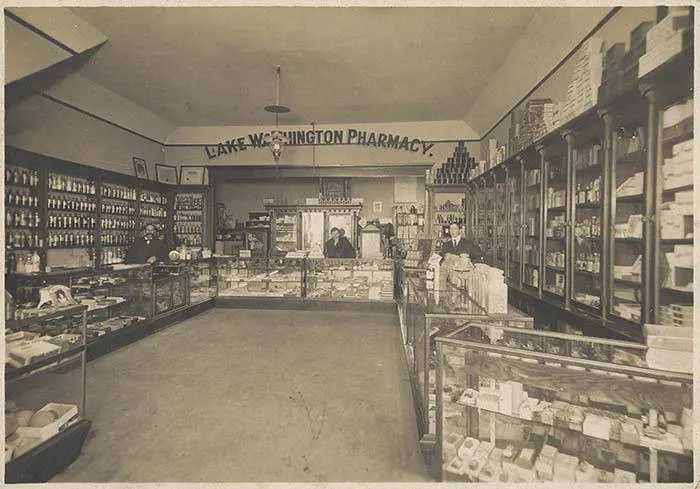
Photo: Hamilton, A. L., Public domain, via Wikimedia Commons
In 2025, an American can have groceries, furniture, and a car battery arrive at their doorstep within a day. They can have blood pressure medication, insulin, and antidepressants delivered monthly by their pharmacy. But if their diagnosis is ADHD and their prescription is a stimulant, there's a decent chance none of that convenience applies.
This is the controlled substance catch-22: the patients whose medication routines are often the most sensitive to disruption are the ones the delivery revolution has largely left behind. It doesn't have to stay this way, but understanding why it exists is the first step toward navigating it.
Why the Rules Exist at All
Medications designated as controlled substances—Schedule II through V under the federal Controlled Substances Act—face additional oversight because of their potential for misuse and dependence. Stimulants like those used for ADHD, opioid pain relievers, and benzodiazepines for anxiety or sleep all fall under this umbrella.
The restrictions aren't arbitrary. Diversion—prescription medications ending up in the wrong hands—is a genuine public health concern, and mail channels are harder to monitor than a pharmacist handing a bottle across a counter. Federal law and, critically, state-level rules layered on top of it shape what mail-order pharmacies can and cannot do.
The Real Problem: It's a Patchwork, Not a Policy
Here's where frustration sets in for patients and pharmacists alike. There is no single national answer. Federal telemedicine prescribing rules have shifted repeatedly in recent years, and individual states impose their own requirements—some permit mail delivery of Schedule II medications under strict conditions, others effectively prohibit it, and many sit somewhere in between.
The result is a confusing landscape where a patient's access depends less on clinical need than on their ZIP code and their pharmacy's licensing footprint. A patient in one state may have legitimate mail delivery of their ADHD medication; a patient across the river may not, despite identical prescriptions from the same prescriber.
Who Gets Hurt Most
Three groups feel this acutely:
Rural patients. When the nearest pharmacy is 40 miles away and the pharmacy has limited hours, a mail-order option isn't a luxury—it's the difference between adherence and abandonment.
People with mobility limitations. Chronic illness and disability are precisely the conditions that make pharmacy trips burdensome. Restrictions on delivery disproportionately burden the patients least able to absorb that burden.
Frequent movers and travelers. Crossing state lines with controlled substances raises questions about transporting medications, transferring prescriptions (which often cannot be transferred more than once, if at all), and maintaining supply during a move. Patients should carry medications in original, labeled containers, know their destination state's rules, and contact both the old and new pharmacy well before relocating.
What Patients Can Do Now
Until policy catches up, practical workarounds matter. Ask whether your prescriber can send prescriptions to a pharmacy with multi-state licensing and delivery programs. Enroll in refill synchronization so a single monthly trip covers everything. Ask about 90-day supplies where permitted to reduce trips. And if you travel or split time between homes, plan refills around your calendar rather than hoping an out-of-state pharmacy can accommodate a last-minute request.
A System Worth Fixing
There's a reasonable case for caution with controlled substances—diversion is real, and safeguards protect patients too. But caution and accessibility aren't opposites. Secure delivery programs with identity verification, tamper-evident packaging, and robust prescription monitoring already exist. Extending them thoughtfully would bring millions of patients into the convenience the rest of pharmacy already enjoys.
The delivery revolution shouldn't have a blind spot. The patients standing in it deserve better.