The Last Hundred Feet: Why Porch Delivery Is the Weakest Link in Prescription Care
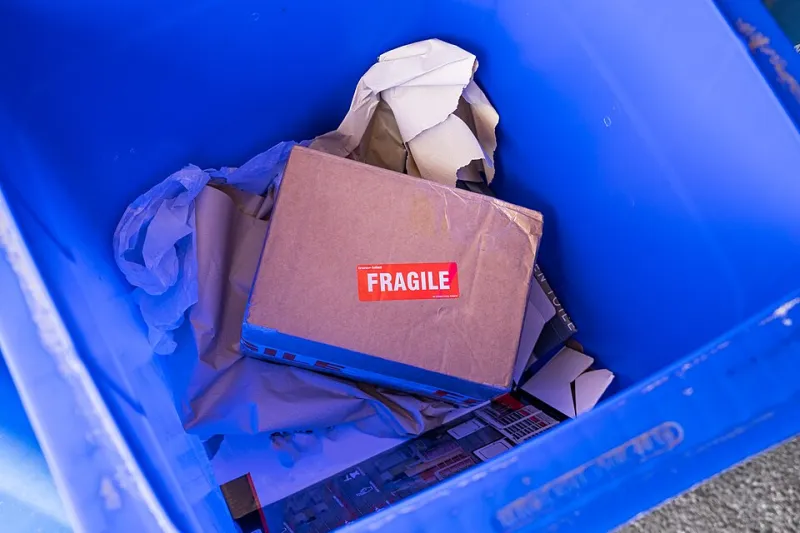
Photo: Meanwell Packaging, CC BY 2.0, via Wikimedia Commons
The online pharmacy industry has spent a decade perfecting everything up to your doorstep. Telehealth consults are slick. Refill automation is seamless. Pricing transparency tools would have seemed like science fiction fifteen years ago. And then, at the very end of the journey, the industry hands your medication to a courier, who sets it on a porch, in the sun, in July, and drives away.
We have engineered the first 99 percent of the prescription journey and left the last hundred feet to chance. That inconsistency deserves more scrutiny than it gets.
The Heat Problem Nobody Photographs
Consider what actually happens to an unattended package on a summer afternoon in Phoenix, Dallas, or Atlanta. Ambient temperatures in the nineties become surface temperatures on a sun-facing porch well above 110 degrees—hot enough to degrade insulin, certain biologics, inhalers, and a long list of other temperature-sensitive products. Reputable shippers use insulated packaging and gel packs, but those protections are rated in hours, not in the eight hours between drop-off and the end of the workday. The label says "refrigerate." The porch says otherwise.
Patients rarely know when heat exposure has quietly compromised a medication. They simply find it doesn't seem to work as well—and blame the drug.
The Theft Problem We Don't Measure
Package theft has become a national pastime for porch pirates, with surveys suggesting tens of millions of Americans have had deliveries stolen. But there's a category of stolen package that gets almost no attention: prescription deliveries. Some contain controlled substances—ADHD medications, opioids, certain anxiety treatments—which are, by weight, among the most valuable things that can arrive in a small padded envelope. A stolen credit card has fraud protection. A stolen bottle of Schedule II medication is gone, the refill is complicated, and the patient may face scrutiny over a diversion report they had nothing to do with.
We don't have good national data on prescription package theft specifically. That absence of data is itself an indictment: an industry built on delivery should know exactly how often its deliveries fail.
What Good Design Looks Like
The solutions are neither exotic nor expensive, and leading platforms are beginning to adopt them:
- Signature confirmation for controlled and high-value medications, with flexible pickup at secure locations when no one is home.
- Smart lockers in apartment complexes, workplaces, and retail partners—refrigerated where needed—so packages never sit exposed.
- Real-time delivery windows, letting patients route a critical package to a pharmacy counter instead of an empty house.
- Temperature indicators on the package itself, so a patient can see whether the contents stayed within range.
- Insurance and replacement guarantees that treat a stolen or heat-damaged prescription as the company's problem, not the patient's.
Convenience Isn't Done Yet
The industry's pitch has always been convenience, and on that front it has largely delivered—literally. But convenience that ends at a doormat is incomplete convenience. A prescription that arrives degraded or stolen isn't a delivery; it's a failure with extra steps.
Patients can protect themselves in the meantime: require signatures, choose pickup points, schedule deliveries for when someone is home, and never let a month's supply of a controlled medication sit out overnight. But the burden shouldn't rest on patients to design around a system's weakest link. The next frontier in pharmacy accountability isn't the app or the telehealth visit. It's the last hundred feet—and the companies that solve it first will have earned something marketing can't buy.