The 36-Degree Promise: How Insulin Survives the Journey From Pharmacy Shelf to Your Refrigerator
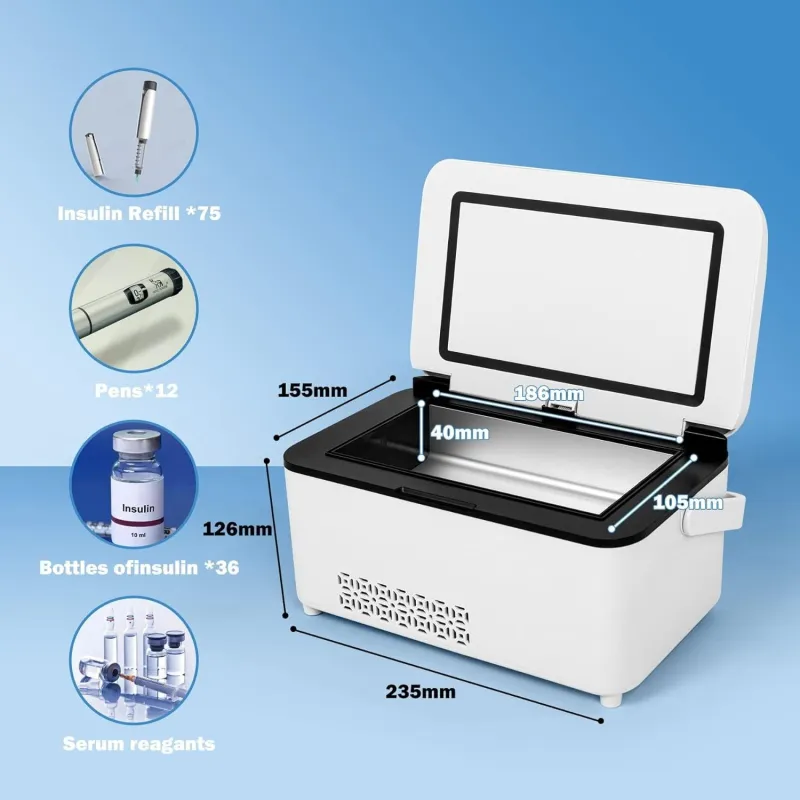
Photo: insulin pen refrigerated medical cooler box shipping, via www.gosupps.com
Most patients never think about the journey their medication takes. For a bottle of blood pressure pills or a bottle of antibiotics, the trip from a distribution center to a suburban mailbox is unremarkable. But for insulin, certain biologics, and a growing list of injectable therapies, that journey is a race against the thermometer — and the outcome depends on logistics most of us never see.
Why Temperature Is a Clinical Matter, Not a Convenience Issue
Insulin maintains its potency within a narrow thermal band. Unopened vials and pens are typically stored between 36°F and 46°F, and manufacturers label most products with explicit guidance: if insulin freezes, it degrades. If it sits in a hot delivery truck for a day, the same thing happens — only you won't see it. There's no discoloration, no odor, no obvious sign that the molecule has started to break apart.
The consequences, however, are real. Degraded insulin doesn't control blood glucose the way it should, and a patient who doesn't know their medication was compromised may assume their body is changing rather than their medicine. That's the core danger of cold chain failures: they are silent until they show up in a blood sugar log.
Inside the Cold Chain
When a refrigerated prescription ships from a licensed pharmacy, it usually travels in one of two ways:
- Passive packaging. The most common method for home delivery: an insulated mailer with gel packs or phase-change materials designed to hold a safe temperature for a defined window — often 24 to 72 hours depending on the season and the carrier.
- Active packaging. Battery-powered or plug-in containers that actively regulate temperature. These are expensive and typically reserved for high-cost biologics or specialty pharmacy shipments.
Behind the packaging sits a monitoring layer. Reputable shippers include temperature indicators — small chemical badges that change color if the contents drift out of range — or electronic data loggers that record conditions throughout transit. When your package arrives, that little card tucked inside the box isn't filler. It's evidence.
Where Things Go Wrong
Cold chains fail at predictable points:
The last mile. A package left on a sun-baked porch in Arizona in July can climb past 120°F within an hour. Winter brings the mirror problem: subfreezing overnight temperatures that can freeze insulin solid.
The handoff gaps. Every transfer between trucks, sortation facilities, and carrier hubs is a moment when refrigerated parcels may sit on a dock. Carriers handling cold chain shipments build in protections, but delays and routing errors happen.
The forecast nobody checked. A shipment packed for a three-day transit that takes five days — because of a storm, a holiday backlog, or a missed delivery attempt — may exhaust its thermal buffer before it arrives.
Red Flags at Your Front Door
When a refrigerated prescription arrives, take sixty seconds before you put it away:
- Check the timer or indicator. If the package includes a temperature monitor, read it. A triggered indicator means the contents may have left the safe range at some point in transit.
- Feel the contents. Insulin that arrives at room temperature after a one-day trip is often fine — most insulins tolerate limited time at room temperature — but a vial that's warm to the touch after a multi-day journey deserves scrutiny.
- Inspect for freezing. If insulin has frozen, you may notice crystals, clumping, or a frosty appearance. Frozen insulin should not be used.
- Look at the packaging itself. Crushed boxes, leaking gel packs, or a mailer that sat in direct sunlight all raise the odds of a temperature excursion.
What to Do If Your Medication Arrived Warm
Don't guess, and don't just use it anyway. Call the pharmacy that shipped it and describe exactly what you observed — the state of the packaging, the indicator, the temperature of the vial. Licensed pharmacies have protocols for this, and most will replace a suspect shipment at no cost, particularly if a monitoring device was triggered.
If you used the medication and your readings seem off afterward, mention the delivery to your prescriber. An unexplained change in glucose control is worth documenting, and your pharmacist may be able to confirm whether your shipment history shows a flagged transit.
Choosing Delivery Options That Protect Sensitive Prescriptions
Not all shipping is equal, and patients have more control than they realize:
- Select expedited shipping in extreme weather. In the peak of summer and the depths of winter, the faster option is often the safer one.
- Require a signature or delivery notification. A parcel that doesn't sit on the porch is a parcel that stays in its thermal envelope longer.
- Ship to a workplace or a neighbor who's home if your house is unoccupied during the day.
- Ask about seasonal packaging upgrades. Many mail-order pharmacies automatically switch to summer-grade or winter-grade insulation, but it never hurts to confirm.
- Plan refills around weather. If a major storm is forecast, request your refill early rather than trusting a carrier to beat the blizzard.
The Bottom Line
Cold chain logistics is one of the least visible parts of modern pharmacy care and one of the most important for patients on sensitive medications. Understanding what happens between the shelf and your doorstep — and knowing what a healthy delivery looks like — turns you from a passive recipient into an active participant in your own treatment. For medications like insulin, that vigilance isn't paranoia. It's part of the prescription.