The Six-Month Itch: Why Patients Fall Out of Love With Online Pharmacies
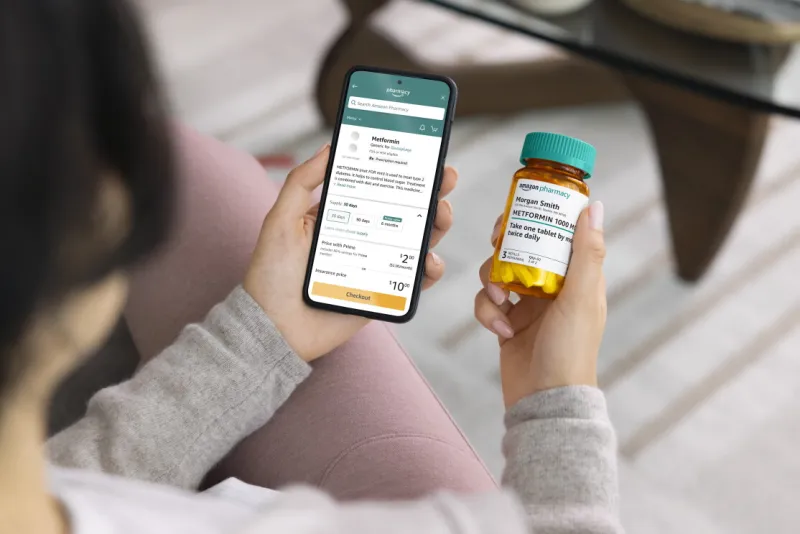
Photo: frustrated person smartphone medication app pharmacy delivery, via assets.aboutamazon.com
The pitch is seductive: no lines, no parking lots, no waiting for a pharmacist to finish a phone call. Just tap a button and your prescriptions appear at your door. And yet, talk to enough patients who tried an online pharmacy and a pattern emerges — many of them drifted back to their old pharmacy within six months, sometimes with a story about a lost refill or an unanswered message.
This isn't an argument against digital pharmacy. It's an argument that convenience, by itself, is a leaky foundation. Here's where these platforms lose people, and what patients should demand before they hand over their medication history.
The Transfer That Becomes a Part-Time Job
Switching pharmacies should be a five-minute task. Legally, in most cases, it nearly is — the receiving pharmacy can often request transfers on your behalf. But too many online platforms treat the transfer like the patient's problem. Automated systems that can't locate a prescription from an independent pharmacy. Support tickets that sit for days while a refill deadline passes. A patient on a daily medication doesn't have the luxury of a two-week onboarding limbo, and the first missed dose during a botched transfer is often the moment they quit.
The platforms that retain patients are the ones that do the chasing — calling the old pharmacy, navigating the insurance reprocessing, and confirming everything is set before the first shipment goes out.
Refill Flows Built for the Pharmacy, Not the Patient
Here's a design failure that shows up again and again: refill systems that require the patient to remember everything. Auto-refill that doesn't account for a dose change. Notifications that arrive after the medication is already gone. Apps that bury the refill button three menus deep while prominently displaying the option to purchase vitamins.
An online pharmacy's entire value proposition is anticipation. If a platform can predict that you'll need a refill in nine days but can't send you a meaningful reminder, it has built a storefront, not a service.
Customer Service as the Real Differentiator
When everything works, a digital pharmacy is invisible. The moment something doesn't — a delayed shipment, an insurance rejection, a prescription that expired — the quality of human support becomes the whole product. And this is where churn happens fastest.
The warning signs are consistent across the industry: chatbots that can't answer medication questions, hold times measured in days rather than minutes, and support agents who can see your order but not your clinical information. A pharmacy — online or brick-and-mortar — is a healthcare provider. If the only way to reach a licensed professional is a form that promises a response within 48 hours, that's not a pharmacy with an app. That's a subscription box with a license.
What Patients Should Demand Before Committing
If you're evaluating an online pharmacy, treat it like hiring a healthcare partner, because that's what it is:
- Ask who answers the phone. Is there a licensed pharmacist you can reach by phone during business hours? Test it before you transfer anything.
- Ask how transfers actually work. Does the platform handle the process end to end, or will you be faxing your old pharmacy yourself?
- Ask what happens when a shipment fails. Is there a clear, published policy for replacing lost, delayed, or damaged medications — especially refrigerated ones?
- Ask about your pharmacist's visibility. Can their team review your full medication profile and flag interactions, or is every order processed in isolation?
- Read the cancellation terms. Lock-in contracts and subscription traps have no place in medication care.
The Case for Standards
None of these failures are inevitable. The technology to send proactive refill reminders, route patients to pharmacists, and complete transfers seamlessly already exists. The gap is a matter of priorities — of platforms treating pharmacy as a logistics problem rather than a clinical one.
Patients can move that priority. The ones who ask hard questions before signing up, and who leave when the answers are weak, are the ones shaping which services survive. Convenience got us in the door. Only competence will keep us there.