The Carbon Cost of a Capsule: What Million-Package Prescription Shipping Means for the Planet

Photo: mypubliclands, Public domain, via Wikimedia Commons
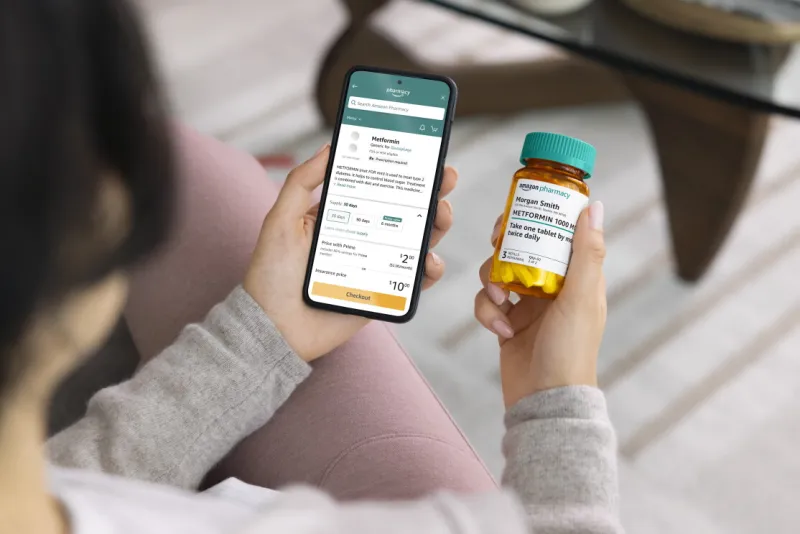
The prescription arrives in a padded mailer, inside a cardboard box, containing a plastic vial, wrapped around a silica packet, accompanied by two pages of printed instructions. Multiply that by the hundreds of millions of prescription shipments moving through the U.S. mail and private carriers each year, and the environmental arithmetic gets uncomfortable.
Patients increasingly ask about sustainability in every other corner of their lives—groceries, clothing, travel. Medication is the last place most people think to look. It shouldn't be.
What's Actually in the Package
A typical mail-order prescription involves several layers, and they're not equal:
- Cardboard boxes and paper mailers are the good news. Corrugated cardboard is among the most recycled materials in America, with recovery rates above 90% in many municipal programs.
- Plastic bubble mailers and foam inserts are the bad news. Most curbside programs cannot process them, and they frequently end up in landfills. Some are recyclable at retail drop-off points that accept plastic film.
- Pill vials are the trickiest. The amber polypropylene bottle itself is technically recyclable, but most facilities reject small-format plastics because they fall through sorting equipment. The result: hundreds of millions of prescription vials are landfilled annually in the United States. A few independent recyclers and pharmacy programs now accept them by mail, and some pharmacies offer take-back of clean, empty vials—call and ask.
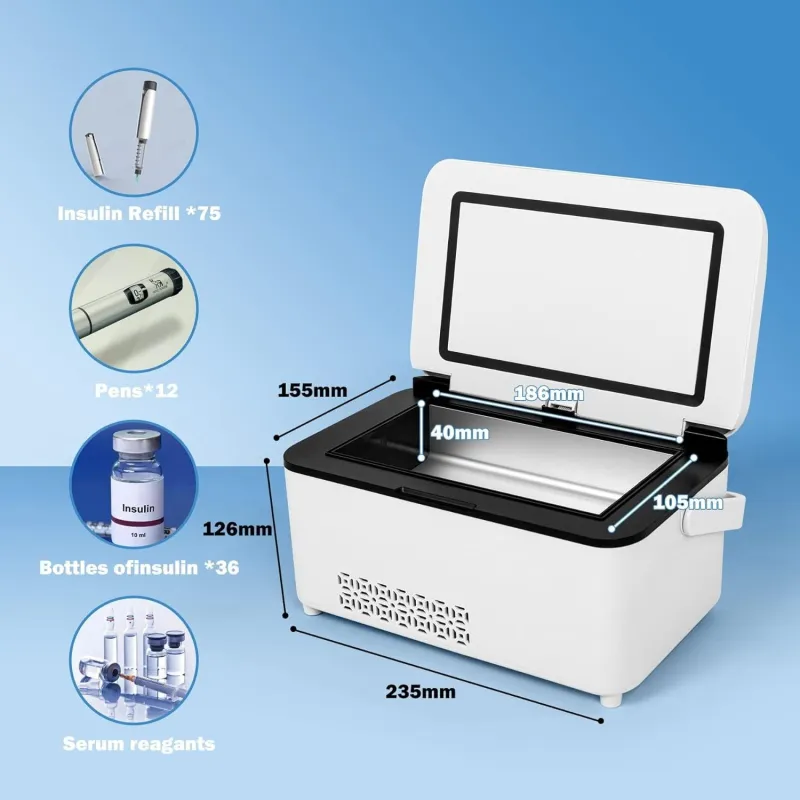
- Cold-chain packaging, used for insulin and biologics, often contains gel packs and insulated foam that are rarely recyclable. Reuse is the best option: gel packs work well in lunch boxes and first-aid kits.
The Emissions Question
Packaging is only half the footprint; transportation is the other. A single delivery van making hundreds of stops per day is, per package, often more efficient than dozens of individual car trips to a pharmacy. Research on last-mile logistics suggests that for patients who would otherwise drive alone to pick up prescriptions, consolidated delivery can reduce net emissions.
But the equation flips when shipping gets fast. Expedited air freight carries a carbon cost several times higher than ground transport. Choosing standard shipping over two-day delivery is one of the simplest climate decisions a patient can make—and for maintenance medications, there's rarely a clinical reason to rush.
Programs Worth Knowing About
Change is coming from several directions:
- Right-sized packaging initiatives. Large mail-order pharmacies have been shifting from oversized boxes to padded envelopes and paper-based mailers, cutting both plastic and dimensional-weight waste.
- Consolidated refill programs. Pharmacies that synchronize refill dates so multiple medications ship together reduce package count dramatically—often from twelve shipments a year to four.
- Medication take-back. Proper disposal protects waterways; flushed medications have been detected in streams and rivers nationwide. DEA-registered take-back locations and mail-back envelopes keep drugs out of both the water supply and the landfill.
- Plastic vial recyclers. A growing number of specialty programs accept clean prescription bottles by mail, and some patients reuse vials at home for travel-size toiletries, seed storage, or hardware organization (never for storing other medications).
What Patients Can Do
You don't need to choose between your health and the planet. A short checklist:
- Choose 90-day fills and consolidated shipping where clinically appropriate—fewer packages, lower cost, fewer trips.
- Pick standard delivery over expedited whenever the medication allows.
- Recycle the cardboard, reuse the cold packs, and find a vial program for the bottles.
- Return unused medications through take-back programs rather than trashing or flushing them.
- Ask your pharmacy about its sustainability practices. Patient questions move corporate behavior faster than any internal memo.
The convenience of home-delivered medicine is here to stay, and for millions of Americans it's a genuine health benefit. The task now is making sure the box that protects the medication doesn't cost more than it should—on either end of its journey.