The Box on the Doorstep: Raising Medication-Smart Kids When Prescriptions Come to You
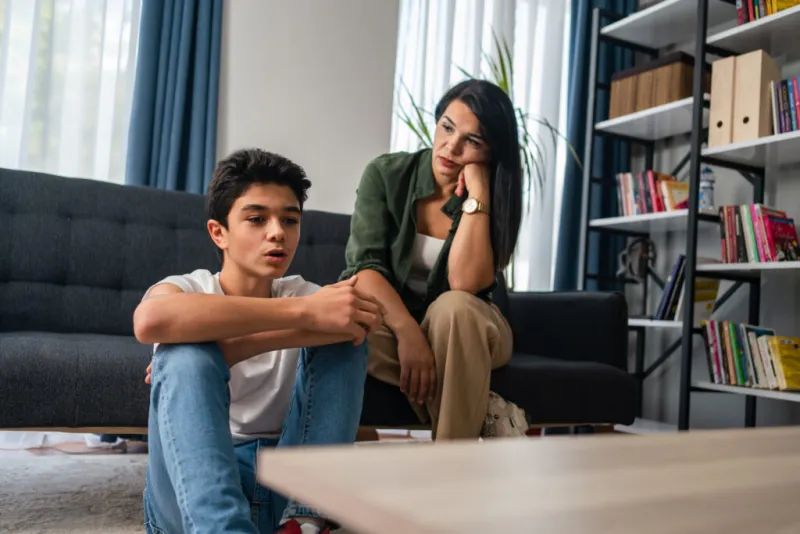
Photo: parent talking with teenage child at home medicine cabinet, via www.gottman.com
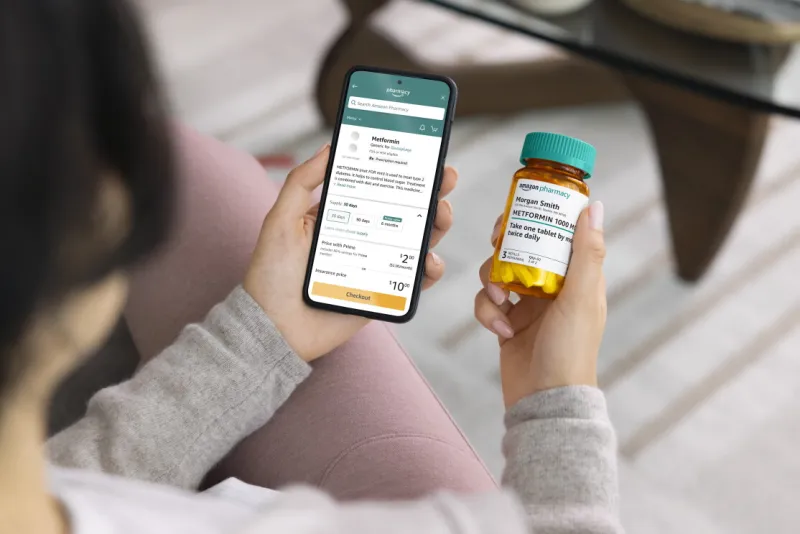
A generation ago, prescription medications lived behind a pharmacy counter. A pharmacist handed them over, often with a spoken warning, and the bottle went straight into a parent's bag. Today, millions of American households receive prescriptions in plain cardboard boxes left on the doorstep—sometimes hours before anyone gets home from work.
That convenience comes with a new question every family must answer: who else in the house is opening those packages?
Why Delivery Changes the Risk Picture
Federal surveys consistently show that a majority of teens who misuse prescription medications obtain them from family or friends—most often for free, most often from a home medicine cabinet. Home delivery doesn't create that risk, but it can amplify it. A package sitting on a porch for six hours is an unattended package. A shipment containing a 90-day supply of a controlled substance contains far more pills than a typical 30-day retail fill.
None of this argues against delivery pharmacy. It argues for treating medication arrival the way parents already treat other deliveries: with a plan.
Ages 4–9: The Curiosity Years
Young children are the most likely to ingest a medication by accident, and brightly colored pills can look like candy. For this age group:
- Track delivery windows. Most major delivery pharmacies and carriers offer text alerts. Sign up, and try to be home—or have a trusted neighbor retrieve packages—when a controlled or high-risk medication arrives.
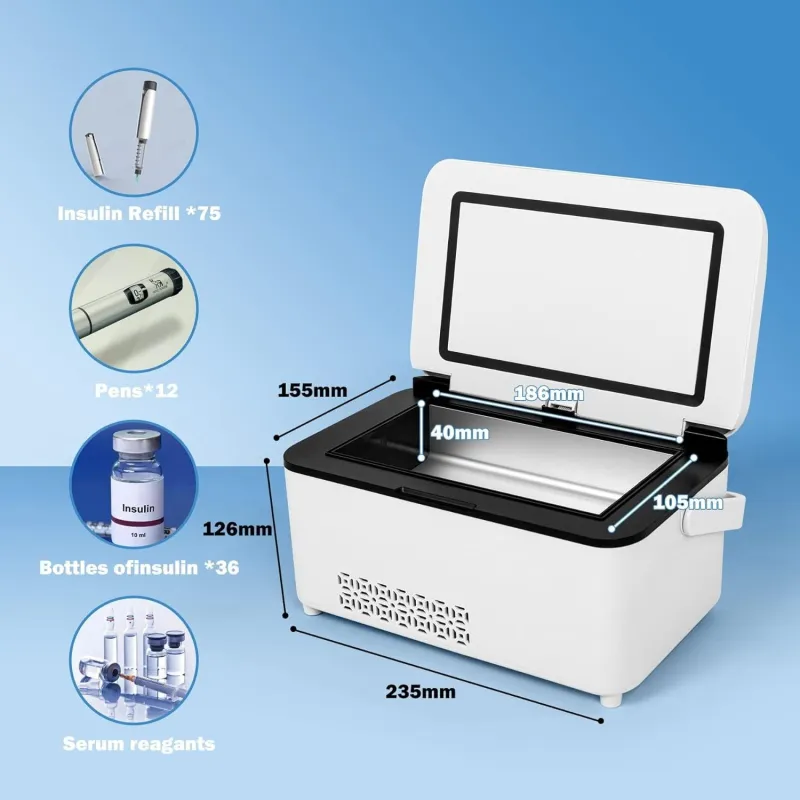
- Store up and away, immediately. The safest spot is a locked box stored high, not the bathroom cabinet. Heat and humidity from showers can degrade medicines anyway.
- Never call medicine "candy," even to coax a reluctant child into taking it. This single habit has fueled accidental poisonings for decades.
Ages 10–13: The Questioning Years
Tweens are old enough to be curious and young enough to be impulsive. This is the ideal window for a first honest conversation. Explain, plainly, what's in the cabinet: "This is my blood pressure medicine. It helps my heart, but it could hurt someone whose body doesn't need it."
Children who understand why a medication exists are less likely to experiment with it. Frame the rules as safety, not suspicion—lock boxes framed as "keeping everyone safe" land very differently than locks framed as "keeping you out."
Ages 14–18: The Risk Years
This is when experimentation peaks. National data show that among high school seniors, a meaningful share report having taken a prescription opioid, stimulant, or sedative without a prescription—and the overwhelming majority sourced those pills at home or from a friend's home.
Practical steps for parents of teens:
- Count pills occasionally. Not as an accusation, but as routine inventory, the way you'd check the first-aid kit.
- Secure the high-risk items. Opioids, ADHD stimulants, and anxiety medications deserve locked storage, full stop.
- Dispose promptly. If a prescription ends, don't let the leftovers linger. Many pharmacies and police stations host take-back bins year-round, and the DEA sponsors National Prescription Drug Take Back Days each spring and fall.
- Talk about the real thing. Teens often believe prescription drugs are "safer" than street drugs because they're manufactured. Explain that a pill that isn't prescribed to you is, functionally, an unregulated dose.
When the Package Itself Is the Problem
A few structural fixes reduce risk without relying on willpower:
- Require a signature for controlled substance deliveries when the option exists.
- Use delivery lockers or pickup points—many carriers and pharmacy partners allow packages to be held at a secure location.
- Consolidate refills so fewer packages arrive, and fewer sit unattended.
- Enable smart alerts so you know the moment a shipment lands.
The Conversation That Matters Most
Security hardware is the easy part. The harder, more valuable work is cultural: a home where medications are discussed openly, where kids know what each bottle is for, and where asking questions earns answers instead of lectures.
The box on the doorstep isn't going away—and for most patients, that's a genuine improvement in access. Families that pair that convenience with deliberate storage and honest conversation get the benefit without the exposure. Start the conversation before you need it. By the time a teen is curious, the groundwork should already be laid.